A Good Read
Top 25 Films Known For Their Special Effects.
Top 25 Films Known For Their Special Effects
Top 25 Films Known For Their Special Effects
The world of cinema has always been a place where imagination and reality mix. Some films stand out for their groundbreaking use of special effects. These films don’t just tell a story; they create new worlds, bend the laws of physics, and push the boundaries of what seems possible on screen. Special effects have evolved from practical effects and miniatures to sophisticated computer-generated imagery (CGI). The movies on this list showcase the pinnacle of special effects artistry, showing how technology and creativity can come together to create unforgettable cinematic experiences.
The films selected span several decades, reflecting the rapid advancements in special effects technology. From the pioneering use of CGI in “Jurassic Park” to the mind-bending visuals of “Inception” and the realistic space environments of “Gravity,” each film on this list has significantly contributed to the evolution of special effects. They set new standards and inspired countless filmmakers and visual effects artists to push their craft further. These movies have left a lasting mark on the industry, proving that special effects can elevate storytelling to new heights.
As you delve into this list of the top 25 films known for their special effects, you’ll journey through time and technology, witnessing the remarkable progression of visual effects. Whether it’s the seamless integration of live-action and CGI in “The Avengers,” the stunningly realistic animation in “The Lion King,” or the intricate and otherworldly designs in “Blade Runner 2049,” these films offer a feast for the eyes and a testament to the power of innovation in filmmaking. The list is presented in no particular order, allowing each movie’s unique contribution to the art of special effects to shine through. Prepare to be amazed by the creativity, technical skill, and sheer artistry that have brought some of cinema’s most iconic moments to life.
1. Inception (2010)
“Inception” (2010) is renowned for its groundbreaking visual effects. These effects played a crucial role in bringing its complex narrative to life. Directed by Christopher Nolan, the film explores the concept of dreams within dreams. This required innovative and visually stunning effects. One of the most iconic scenes, the zero-gravity hallway fight, was achieved through practical effects and CGI. This involved rotating sets and wire work to create the illusion of gravity-defying combat. Additionally, the folding cityscape, where the streets of Paris bend and fold over themselves, exemplifies the seamless integration of cutting-edge CGI with live-action footage. These visual effects were essential in conveying the film’s themes of perception and reality. “Inception” is a visual masterpiece that continues to influence and inspire filmmakers and audiences alike.
2. The Matrix (1999)
“The Matrix” (1999) revolutionized the world of visual effects with its groundbreaking techniques. Directed by the Wachowskis, the film introduced audiences to “bullet time.” This method allows the action to progress in slow motion while the camera appears to move at normal speed. This innovative technique was achieved through a combination of computer-generated imagery (CGI) and an array of cameras capturing the same moment from multiple angles. The result was a stunning and immersive visual experience. It brought to life the film’s complex action sequences and philosophical themes. Additionally, “The Matrix” pushed the boundaries of CGI with its depiction of the virtual world and the agents that manipulate it. These visual effects not only wowed audiences but also set new standards for the industry. They influenced countless films and became a hallmark of modern cinematic storytelling.
3. Interstellar (2014)
“Interstellar” (2014), directed by Christopher Nolan, is celebrated for its breathtaking visual effects. These effects played a pivotal role in bringing the vastness of space and the film’s complex scientific concepts to life. The movie’s depiction of wormholes, black holes, and distant planets was achieved through a meticulous combination of practical effects and cutting-edge CGI. The visual representation of the black hole, Gargantua, was particularly groundbreaking. It was based on extensive scientific research and simulations. This resulted in a depiction so accurate that it led to new scientific insights and even published research papers.
The stunning visuals of space travel, combined with the realistic portrayal of alien landscapes and the seamless integration of practical effects for spacecraft interiors, created an immersive experience. These effects were deeply intertwined with the narrative, enhancing the film’s exploration of time, space, and human survival. “Interstellar” is a visual and cinematic masterpiece.
4. Blade Runner 2049 (2017)
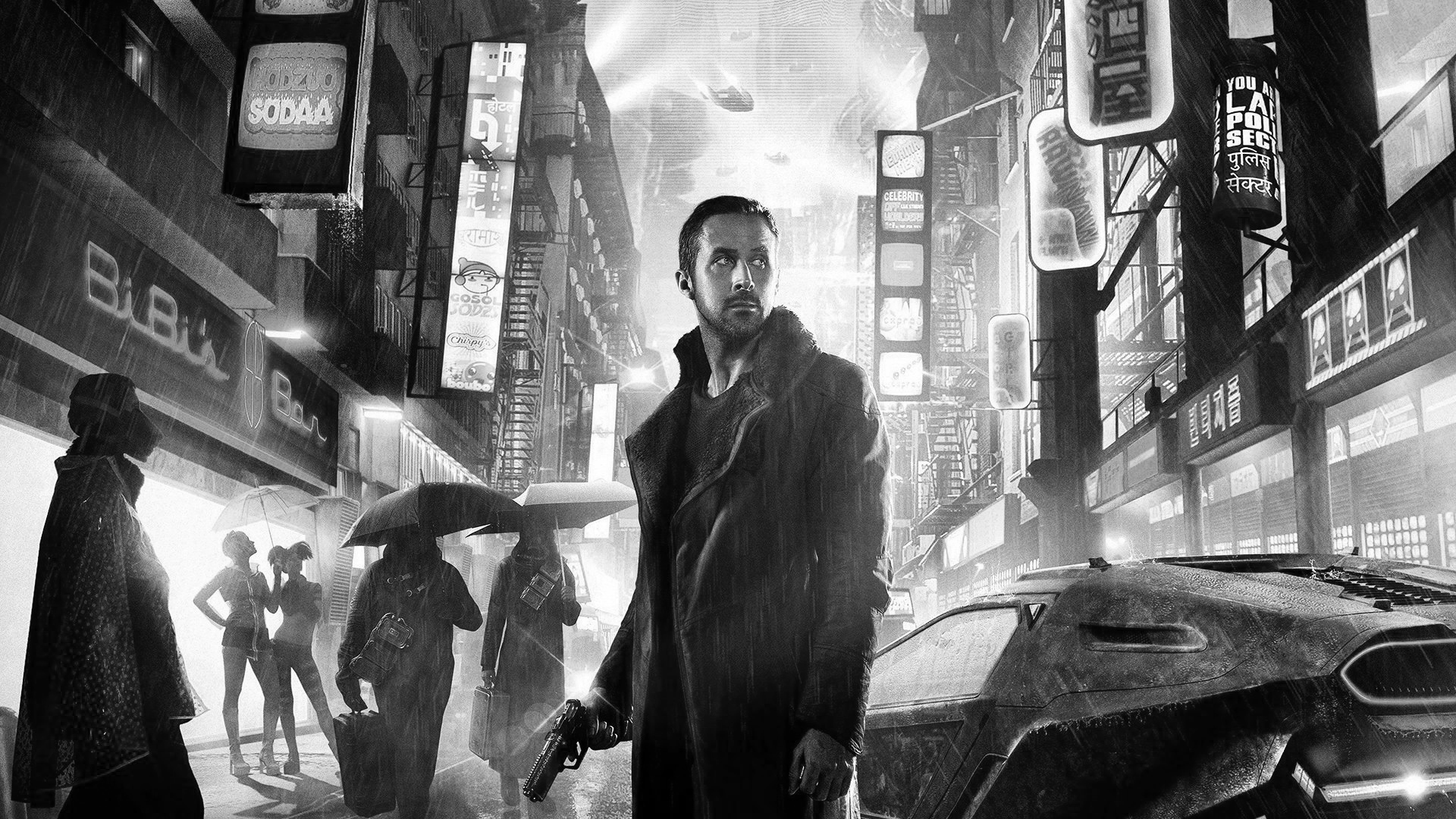
“Blade Runner 2049” (2017), directed by Denis Villeneuve, is lauded for its spectacular visual effects. These effects masterfully extended the world of the original “Blade Runner” while crafting a distinct and immersive dystopian future. The film’s visual effects team employed a seamless blend of practical effects, miniatures, and state-of-the-art CGI. This created breathtaking cityscapes, realistic holograms, and intricate details of futuristic technology. The use of practical sets and miniatures for the sprawling cityscapes added a tangible depth and realism. CGI was used to enhance and extend these environments, creating a richly textured world.
One of the most remarkable scenes is the holographic performance of Joi, a digital companion. Her presence and interaction with the physical world were achieved through intricate CGI and meticulous compositing. The film’s visual palette, with its neon-lit urban sprawl and hauntingly desolate wastelands, was enhanced by Roger Deakins’ stunning cinematography. “Blade Runner 2049” is not only a visual feast but also a profound continuation of its predecessor’s legacy in visual storytelling.
5. Doctor Strange (2016)
“Doctor Strange” (2016), directed by Scott Derrickson, is celebrated for its extraordinary visual effects. These effects brought the mystical and mind-bending aspects of the Marvel Universe to life. The film’s visual effects team created stunning and surreal sequences that defied the laws of physics and reality. This perfectly captured the essence of the comic book’s psychedelic art.
One of the most iconic scenes is the “Mirror Dimension,” where the environment warps and folds in intricate, kaleidoscopic patterns. This scene is reminiscent of M.C. Escher’s art. This was achieved through a seamless combination of CGI, intricate choreography, and imaginative design. The film’s depiction of magical spells and otherworldly realms, such as the Dark Dimension, showcased a dazzling array of colors and visual effects. These effects were integral to conveying the film’s themes of alternate dimensions and the power of the mystic arts. “Doctor Strange” is a standout in the realm of visual effects-driven cinema.
6. Gravity (2013)
“Gravity” (2013), directed by Alfonso Cuarón, is acclaimed for its groundbreaking visual effects. These effects convincingly transported audiences to the weightlessness of space. The film’s visual effects team employed advanced CGI and innovative filming techniques to create a realistic and immersive depiction of astronauts drifting through the void. One of the most remarkable achievements was the seamless integration of CGI with live-action performances. This was achieved by using a specially designed “light box” to simulate the lighting conditions in space. This allowed for highly detailed and accurate reflections on the astronauts’ visors and suits.
The breathtaking long takes and continuous shots, such as the opening 13-minute sequence, were meticulously crafted. This maintained the illusion of zero gravity and the vastness of space. The stunning visuals of Earth from orbit, the dynamic destruction of space stations, and the eerily silent, yet visually chaotic, debris fields contributed to an intensely immersive experience. These visual effects were crucial in conveying the film’s themes of isolation, survival, and the awe-inspiring beauty and danger of space. “Gravity” is a landmark achievement in cinematic visual effects.
7. Mad Max: Fury Road (2015)
“Mad Max: Fury Road” (2015), directed by George Miller, is celebrated for its extraordinary visual effects. These effects brought a visceral and visually stunning post-apocalyptic world to life. The film’s effects team masterfully blended practical effects with CGI to create breathtaking action sequences and surreal landscapes. The majority of the high-octane stunts, car chases, and explosions were achieved using practical effects. This gave the film a tangible and gritty realism. CGI enhancements added layers of detail, such as the massive sandstorm and the dynamic environments.
The use of vibrant color grading, particularly the striking contrasts of the desert’s orange hues against the blue sky, created a visually distinct and memorable aesthetic. Additionally, the innovative design of the vehicles and the eccentric characters were brought to life with meticulous attention to detail. This enhanced the film’s chaotic and anarchic atmosphere. The seamless integration of practical and digital effects resulted in a visually spectacular and immersive experience. “Mad Max: Fury Road” is a landmark in action filmmaking and visual storytelling.
8. Avatar (2009)
“Avatar” (2009), directed by James Cameron, revolutionized the film industry with its groundbreaking visual effects. These effects set a new standard for CGI and 3D technology. The film’s visual effects team created the lush and vibrant world of Pandora, an alien planet teeming with fantastical flora and fauna, through advanced motion capture and CGI techniques. Cameron’s innovative use of performance capture technology allowed actors to convey detailed expressions and movements. These were seamlessly translated onto their Na’vi characters. The stunning bioluminescent landscapes, intricate creature designs, and realistic integration of the human and alien elements showcased the film’s technical prowess.
The film’s 3D presentation further enhanced the immersive experience. “Avatar” captivated viewers with its visual spectacle. It also demonstrated the potential of CGI and 3D technology in storytelling. “Avatar” is a landmark achievement in cinematic visual effects and has influenced countless films that followed.
9. Ex Machina (2014)
“Ex Machina” (2014), directed by Alex Garland, is renowned for its subtle yet highly effective visual effects. These effects played a pivotal role in bringing the film’s artificial intelligence themes to life. The film’s visual effects team, led by Double Negative, achieved a stunningly realistic portrayal of Ava, the humanoid robot. Ava’s design featured a transparent midsection that revealed intricate machinery, while her face and hands remained distinctly human. This created a striking and believable contrast between human and machine. This was accomplished through meticulous digital compositing and motion capture. The seamless integration of these effects allowed Ava’s character to move and interact naturally within the physical environments.
“Ex Machina” stands out for its ability to use visual effects not as a spectacle but as a subtle, integral part of its storytelling. The film effectively explores the boundaries between humanity and artificial intelligence.
10. Tron: Legacy (2010)
“Tron: Legacy” (2010), directed by Joseph Kosinski, is celebrated for its stunning visual effects. These effects transported audiences into a mesmerizing digital realm. The film masterfully utilized cutting-edge CGI to create the sleek, neon-lit landscapes of the Grid. One of the most notable achievements was the digital de-aging of Jeff Bridges. This allowed him to portray both his present-day character and a younger version, Clu. This technique showcased the advancements in facial animation and digital rendering.
The film’s iconic light cycle races and disc battles were meticulously crafted with a combination of CGI and practical effects. This resulted in dynamic and thrilling sequences that pushed the boundaries of visual effects technology. The distinctive, glowing costumes and environments added to the futuristic aesthetic. “Tron: Legacy” stands out for its bold visual style and technological prowess. It is a landmark in the evolution of special effects in film.
11. Limitless (2011)
“Limitless” (2011), directed by Neil Burger, is distinguished by its innovative visual effects. These effects effectively depict the film’s central theme of enhanced cognitive abilities. The visual effects team employed a variety of techniques to illustrate the protagonist’s transformation after taking a nootropic drug that unlocks his brain’s full potential. One of the film’s most striking visual effects is the “zoom” effect. The camera continuously zooms through New York City’s streets in an almost infinite push forward. This creates a dizzying and immersive sensation that mirrors the character’s heightened perception and rapid thought processes.
Additionally, the use of color grading shifts from dull and muted tones to vibrant and saturated hues as the protagonist’s mental acuity sharpens. The seamless integration of CGI and practical effects to portray the enhanced visual and cognitive experiences adds a dynamic layer to the storytelling. “Limitless” is a standout for its creative and effective use of visual effects to enhance the narrative.
12. The Lord of the Rings: The Return of the King (2003)
“The Lord of the Rings: The Return of the King” (2003), directed by Peter Jackson, is lauded for its groundbreaking visual effects. These effects brought the epic conclusion of J.R.R. Tolkien’s saga to life. The film’s visual effects team, led by Weta Digital, employed an unprecedented combination of practical effects, miniatures, and cutting-edge CGI. This created the vast and fantastical world of Middle-earth. Iconic sequences, such as the Battle of Pelennor Fields, showcased thousands of digitally rendered characters. These characters were seamlessly integrated with live-action footage, creating a scale and realism previously unseen in cinema.
The creation of Gollum, with his complex, lifelike movements and expressive facial animations, was a monumental achievement in motion capture technology. This was driven by Andy Serkis’s compelling performance. The detailed and immersive environments, from the imposing Minas Tirith to the fiery Mount Doom, were meticulously crafted. These effects transported audiences into the heart of the story. “The Return of the King” is a milestone in the history of visual effects and fantasy filmmaking.
13. Jurassic Park (1993)
“Jurassic Park” (1993), directed by Steven Spielberg, is celebrated for its revolutionary visual effects. These effects brought dinosaurs to life with unprecedented realism. The film’s visual effects team, led by Industrial Light & Magic (ILM) and Stan Winston Studio, achieved a groundbreaking combination of animatronics and CGI. This set a new standard for the industry. The lifelike animatronic models created by Stan Winston provided detailed, tangible creatures for close-up shots.
ILM’s cutting-edge CGI enabled the depiction of full-motion dinosaurs in their natural habitats. This blend of practical effects and digital innovation allowed for seamless transitions between the different techniques. The dinosaurs appeared incredibly realistic and dynamic. Iconic scenes, such as the T. rex breaking free from its enclosure and the Velociraptor chase in the kitchen, showcased the perfect marriage of technology and storytelling. “Jurassic Park” captivated audiences with its stunning visual effects. It also demonstrated the potential of CGI in filmmaking. “Jurassic Park” is an indelible mark on cinematic history.
14. Star Wars: Episode IV – A New Hope (1977)
“Star Wars: Episode IV – A New Hope” (1977), directed by George Lucas, revolutionized the film industry with its groundbreaking visual effects. These effects set a new standard for science fiction cinema. The visual effects team, led by Industrial Light & Magic (ILM), pioneered numerous innovative techniques to bring the galaxy far, far away to life. They utilized a combination of practical effects, miniatures, and pioneering motion control camera technology. This created epic space battles, iconic starships, and diverse alien worlds with unprecedented realism and scale.
The film’s use of blue-screen compositing allowed for seamless integration of live-action footage with detailed miniature models. This resulted in visually stunning sequences such as the Death Star trench run. The creative use of matte paintings and optical effects added depth and richness to the film’s vast universe. “A New Hope” captivated audiences with its dazzling visuals. It also pushed the boundaries of what was possible in filmmaking. “A New Hope” transformed the landscape of visual effects in cinema.
15. Star Wars: Episode VII – The Force Awakens (2015)
“Star Wars: Episode VII – The Force Awakens” (2015), directed by J.J. Abrams, is acclaimed for its spectacular visual effects. These effects seamlessly blend cutting-edge CGI with practical effects. The film pays homage to the original trilogy while advancing the franchise into a new era. The film’s visual effects team, led by Industrial Light & Magic (ILM), employed a perfect mix of practical sets, animatronics, and digital enhancements. This created a rich and immersive Star Wars universe. Iconic sequences such as the Millennium Falcon’s thrilling chase through the wreckage of a Star Destroyer and the epic lightsaber duel in a snow-covered forest were brought to life with meticulous attention to detail and dynamic visual storytelling.
The creation of new characters, like the droid BB-8, utilized practical puppetry alongside CGI. This ensured a lifelike and engaging presence on screen. The realistic rendering of alien creatures, detailed space battles, and the resurrection of beloved starships and settings demonstrated the film’s commitment to blending the nostalgic feel of the original films with modern visual effects technology. “The Force Awakens” captivated audiences by delivering stunning visuals. The film honored the legacy of Star Wars while pushing the boundaries of contemporary visual effects.
16. The Avengers (2012)
“The Avengers” (2012), directed by Joss Whedon, is celebrated for its extraordinary visual effects. These effects brought together a diverse array of superheroes in a visually cohesive and thrilling spectacle. The film’s visual effects team, led by Industrial Light & Magic (ILM) and several other top-tier VFX studios, utilized advanced CGI. This seamlessly integrated live-action performances with digital environments and characters. Iconic sequences, such as the Battle of New York, showcased the team’s ability to create massive, intricate set pieces filled with lifelike destruction and dynamic superhero action.
The detailed and realistic rendering of characters like the Hulk, whose lifelike skin texture and muscle movements were achieved through sophisticated motion capture technology, was a standout achievement. The visual effects brought to life the otherworldly threats and advanced technology. From Iron Man’s suit transformations to Thor’s lightning powers, the effects enhanced the film’s epic scale and excitement. “The Avengers” set a new benchmark for superhero films. The film combined dazzling visual effects with compelling storytelling to create an immersive and unforgettable cinematic experience.
17. Guardians of the Galaxy (2014)
“Guardians of the Galaxy” (2014), directed by James Gunn, is lauded for its dazzling visual effects. These effects vividly brought the colorful and eclectic Marvel cosmic universe to life. The film’s visual effects team, led by Industrial Light & Magic (ILM) and other top VFX studios, seamlessly integrated CGI with live-action elements. This created a richly detailed and immersive world. Key characters like Rocket Raccoon and Groot, both fully CGI, were rendered with remarkable detail and realism. This allowed their unique personalities and emotional expressions to shine through convincingly.
The film’s diverse and visually stunning locations, from the vibrant planet Xandar to the eerie Knowhere, were meticulously crafted using a blend of practical sets and digital enhancements. The thrilling space battles and dynamic action sequences were executed with precision. This featured intricate spaceship designs and breathtaking cosmic vistas. “Guardians of the Galaxy” captivated audiences with its visual spectacle. The film set a new standard for blending humor, heart, and groundbreaking visual effects in a superhero film. It is a standout in the Marvel Cinematic Universe.
18. Black Panther (2018)
“Black Panther” (2018), directed by Ryan Coogler, is celebrated for its groundbreaking visual effects. These effects brought the technologically advanced and culturally rich world of Wakanda to life. The film’s visual effects team, led by Industrial Light & Magic (ILM) and several other top VFX studios, utilized cutting-edge CGI to create the stunning landscapes, futuristic architecture, and innovative technology of Wakanda. One of the most notable achievements was the depiction of the Vibranium-powered suit worn by T’Challa. The suit seamlessly materializes and deactivates around his body.
The film’s action sequences, such as the thrilling car chase in Busan and the climactic battle at the Great Mound, showcased intricate visual effects. These effects blended live-action stunts with digital enhancements. The detailed CGI work on characters like the armored rhinos and the mystical Ancestral Plane added depth and realism to the fantastical elements of the story. “Black Panther” set a new benchmark for visual storytelling in superhero films. The film combined stunning visual effects with rich cultural representation to create a visually and emotionally compelling cinematic experience.
19. The Revenant (2015)
“The Revenant” (2015), directed by Alejandro González Iñárritu, is acclaimed for its stunning visual effects. These effects seamlessly integrated with its naturalistic cinematography to create a visceral and immersive experience. The film’s visual effects team, led by Industrial Light & Magic (ILM), achieved remarkable realism, particularly in the intense and harrowing bear attack scene. This sequence combined CGI with practical effects to create a lifelike and terrifying encounter. This showcased the meticulous attention to detail and the seamless blending of digital and physical elements.
The film also utilized subtle visual effects to enhance the harsh and beautiful landscapes. This made the remote wilderness feel both breathtaking and menacing. The use of natural lighting and long takes, complemented by the invisible visual effects, contributed to the film’s raw and authentic aesthetic. “The Revenant” pushed the boundaries of what visual effects could achieve in a realistic, grounded setting. The effects enhanced the storytelling and emotional impact without overshadowing the film’s gritty, survivalist narrative.
20. Life of Pi (2012)
“Life of Pi” (2012), directed by Ang Lee, is celebrated for its extraordinary visual effects. These effects brought the fantastical elements of Yann Martel’s novel to vivid life. The film’s visual effects team, led by Rhythm & Hues Studios, achieved remarkable feats. This was particularly true in creating the digital character of Richard Parker, the Bengal tiger. The tiger was rendered with astonishing detail and realism. This blended seamlessly with the live-action elements. The film’s various oceanic scenes, including the mesmerizing bioluminescent jellyfish and the surreal, storm-tossed sea, were crafted with a stunning blend of CGI and practical effects. This created a dreamlike yet believable world.
The use of 3D technology further enhanced the immersive experience. This drew viewers into Pi’s extraordinary journey. “Life of Pi” pushed the boundaries of visual storytelling. The film used groundbreaking visual effects to explore themes of survival, faith, and the human spirit. It is both visually captivating and deeply moving.
21. District 9 (2009)
“District 9” (2009), directed by Neill Blomkamp, is celebrated for its groundbreaking visual effects. These effects brought an extraordinary level of realism to its science fiction narrative. The film’s visual effects team, led by Weta Digital, created highly detailed and lifelike alien creatures known as “Prawns.” These were seamlessly integrated into the live-action environment. Utilizing a combination of motion capture, CGI, and practical effects, the film achieved a gritty and documentary-style aesthetic. This made the presence of these extraterrestrial beings feel authentically grounded in the real world.
The visual effects were particularly notable for their ability to convey the nuanced emotions and complex physical interactions of the Prawns. This allowed them to become fully realized characters rather than mere visual spectacles. The film’s setting, a decaying and impoverished Johannesburg, was enhanced with digital effects. These effects complemented its socio-political allegory. “District 9” set a new standard for visual effects in science fiction. The film demonstrated how CGI can be used not only to create stunning visuals but also to serve the story’s deeper themes and emotional resonance.
22. War for the Planet of the Apes (2017)
“War for the Planet of the Apes” (2017), directed by Matt Reeves, is widely praised for its exceptional visual effects. These effects brought unparalleled realism and depth to its simian characters. The film’s visual effects team, led by Weta Digital, utilized advanced motion capture technology to create incredibly detailed and expressive apes. This technology captured the nuanced performances of actors like Andy Serkis. His portrayal of Caesar was particularly notable for its emotional depth and subtlety.
The photorealistic rendering of the apes’ fur, skin, and movements made them indistinguishable from live-action characters. This seamlessly blended them into the film’s natural environments. The visual effects were instrumental in crafting the film’s epic battle scenes and the desolate, war-torn landscapes. These effects enhanced the narrative’s intensity and emotional impact. “War for the Planet of the Apes” set a new benchmark for visual effects in filmmaking. The film showcased how cutting-edge technology can be used to create not only spectacular visuals but also compelling, character-driven storytelling.
23. The Lion King (2019)
“The Lion King” (2019), directed by Jon Favreau, is renowned for its groundbreaking visual effects. These effects brought the beloved animated classic to life with stunning photorealism. Utilizing cutting-edge CGI and virtual reality technology, the film’s visual effects team created lifelike animals and environments that were indistinguishable from the real world. Every detail, from the intricate textures of the animals’ fur to the vast, sweeping landscapes of the African savanna, was meticulously crafted to achieve an unprecedented level of realism. The film’s use of virtual production techniques allowed the filmmakers to plan and execute scenes with a level of precision and creativity that traditional methods could not achieve.
The expressive and naturalistic animation of the characters, combined with the breathtaking visual fidelity, made “The Lion King” a visual spectacle. This redefined the possibilities of digital filmmaking. This innovative approach not only honored the spirit of the original film but also set a new standard for visual effects. The film demonstrated the power of technology to create immersive and emotionally resonant cinematic experiences.
24. Alita: Battle Angel (2019)
“Alita: Battle Angel” (2019), directed by Robert Rodriguez and produced by James Cameron, is celebrated for its groundbreaking visual effects. These effects brought the cyberpunk world and its eponymous cyborg heroine to life with astonishing detail and realism. The film’s visual effects team, led by Weta Digital, utilized advanced motion capture and CGI to create the highly detailed and expressive character of Alita. Her large, anime-inspired eyes and lifelike movements were meticulously crafted. These seamlessly blended with the live-action elements to deliver a captivating and believable performance.
The intricately designed futuristic cityscapes, dynamic action sequences, and detailed mechanical enhancements of various characters showcased the film’s technical prowess. The seamless integration of CGI with practical effects and live-action footage created an immersive and visually stunning world. “Alita: Battle Angel” stands out for its innovative visual effects. These effects provided eye-catching spectacle and deeply enhanced the emotional depth and storytelling of the film.
25. Transformers (2007)
“Transformers” (2007), directed by Michael Bay, is celebrated for its groundbreaking visual effects. These effects brought the iconic robots from the beloved toy line and animated series to life with unprecedented realism and scale. The film’s visual effects team, led by Industrial Light & Magic (ILM), utilized advanced CGI to create the intricate transformations of vehicles into towering robots. Each robot was composed of thousands of moving parts. These sequences were meticulously detailed. This showcased the complex mechanics and fluid movements that made the transformations appear both realistic and awe-inspiring.
The dynamic action scenes, featuring explosive battles between the Autobots and Decepticons, were enhanced with seamless CGI integration. This provided a visceral and immersive experience for audiences. The visual effects also extended to the realistic rendering of textures, lighting, and reflections on the robots. This made them feel tangible within the live-action environments. “Transformers” set a new benchmark for visual effects in blockbuster filmmaking. The film demonstrated how cutting-edge technology can bring fantastical elements to life in a way that captivates and excites viewers.
Conclusion
The realm of special effects in cinema has continuously evolved. This has pushed the boundaries of what is visually possible and transformed the way stories are told. The movies highlighted in this list showcase the incredible advancements and creativity in visual effects over the decades. Each film dazzles with its technical achievements and enriches its narrative. This makes the fantastical believable and the impossible tangible. These movies have set new standards in the industry. They have inspired countless filmmakers and captivated audiences with their imaginative and immersive worlds.
As technology continues to advance, the future of visual effects in cinema holds even more exciting possibilities. The films on this list represent milestones in the journey of special effects. Each film contributes uniquely to the art form’s evolution. Whether it’s the intricate character animations in “Avatar” or the seamless integration of CGI and live-action in “The Avengers,” these movies demonstrate that the marriage of technology and storytelling can create unforgettable cinematic experiences. For aspiring filmmakers, this list serves as a source of inspiration. It highlights how innovative visual effects can elevate storytelling and bring extraordinary visions to life. The ongoing innovation in visual effects promises to keep audiences mesmerized. Filmmakers will continue to explore new frontiers in bringing their creative visions to the big screen.